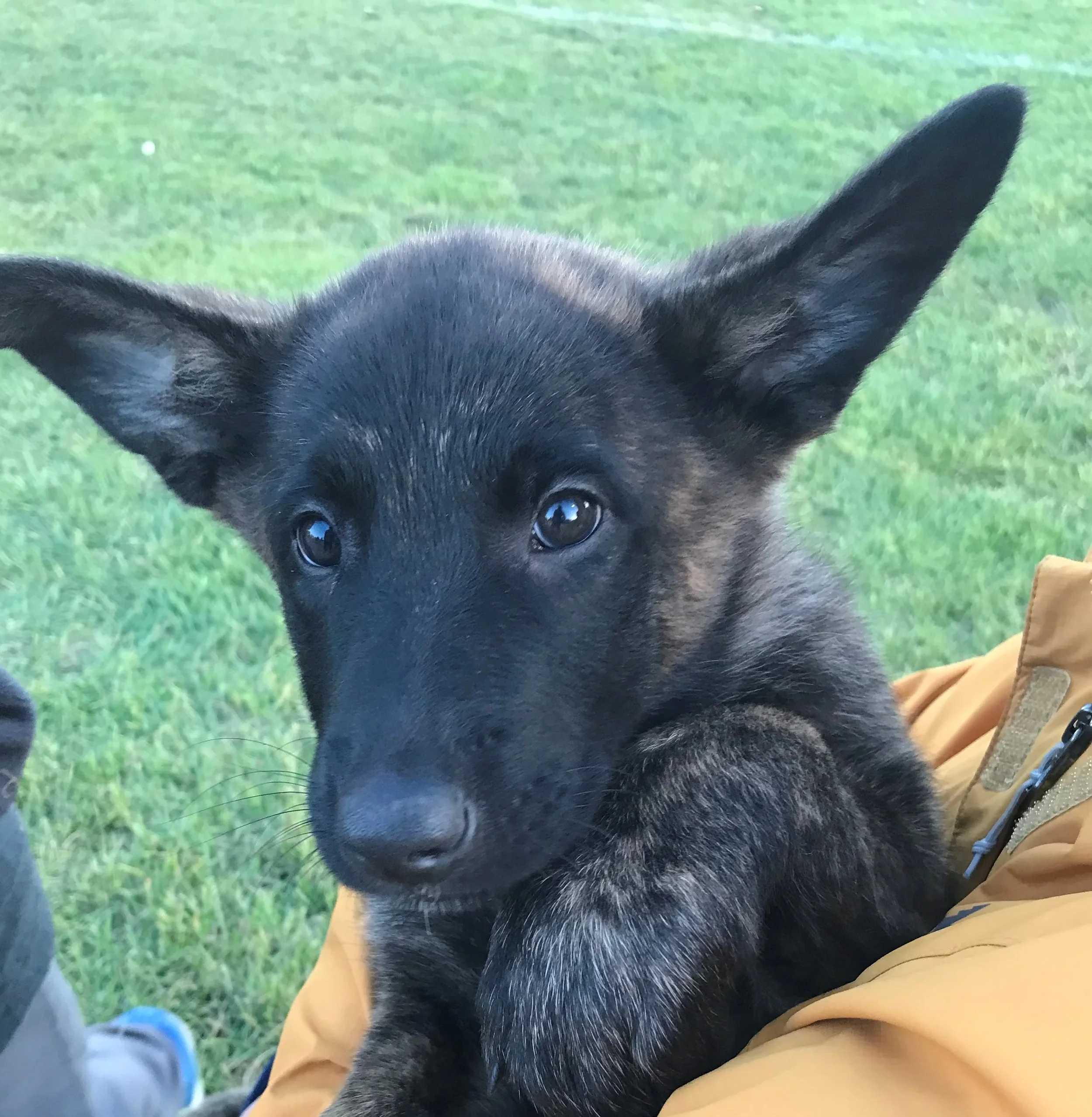
Why 8–16 Weeks Is a Very Important Stage for Training Success
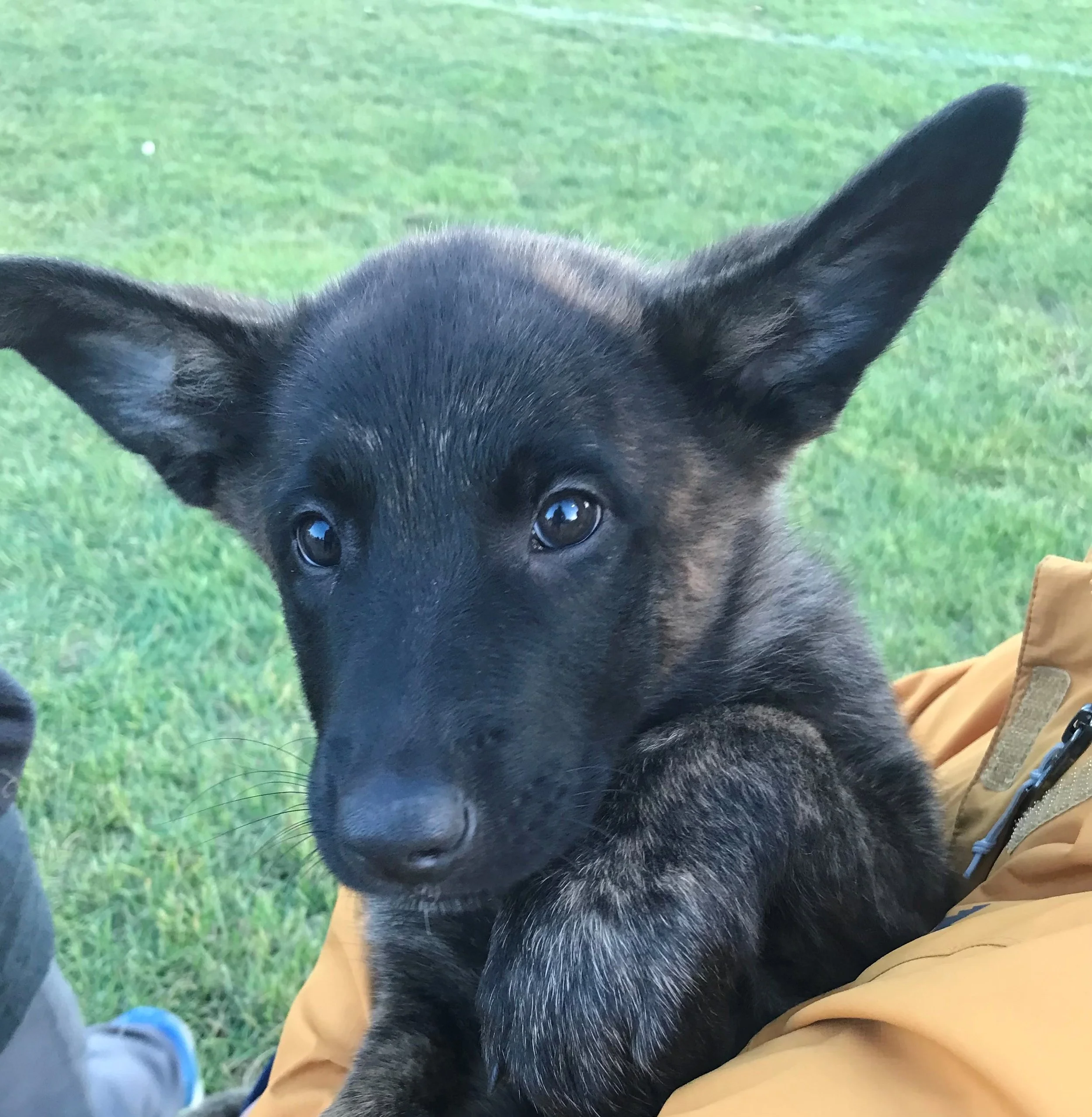
Build a Positive Foundation From the Start
The first few months of your puppy’s life shape everything—from confidence and emotional stability to future behavior and trainability. The 8–16 week window is known as the critical socialization period, a developmental phase when puppies are neurologically primed to learn quickly and form lifelong associations.
During this time, your puppy’s brain is unusually receptive, curious, and open to new experiences. This stage has a greater long‑term impact on your dog’s temperament than any obedience cue you’ll teach later.
Why Early Training Matters
1. Puppies Learn Faster at This Age
Your puppy’s brain is developing at lightning speed, making this the ideal time to introduce structure, routines, and positive associations. Puppies as young as 8 weeks can successfully learn foundational cues like sit, down, stay, bite inhibition, potty routines, and crate comfort.
2. You Can Prevent Behavioral Issues Before They Form
Behaviorists consistently link adult behavior problems—including reactivity, fear, and aggression—to incomplete or poor socialization during this window. Proper exposure now prevents the need for complex training later.
3. Emotional Resilience Is Built Early
The goal in these weeks isn’t just training commands—it’s shaping how your puppy feels about the world. Positive experiences during this window create confidence, curiosity, and calmness in adulthood.
What Puppies Should Learn Between 8–16 Weeks
Weeks 8–10: Foundation & Safety
At this age, puppies begin adjusting to their new home. Training should focus on comfort and consistency, including:
Name recognition
Crate and potty training
Early leash introduction
Gentle handling
Exposure to household sounds and environments
Weeks 10–12: Socialization Expands
Puppies become more curious and open to exploration. This is the perfect time to:
Introduce simple cues (sit, drop it, recall)
Begin short, calm outdoor walks
Meet new people and environments
Practice mild independence training
Weeks 12–16: Confidence Building & Emotional Shaping
This is often called the “make-or-break” stage for social development. Focus on:
Controlled exposure to other dogs, people, surfaces, and noises
Confidence-building activities
Structured routines
Calm introductions to grooming or vet handling
Missing this stage makes behavioral correction later more difficult—and sometimes less successful.
Myths That Hold Puppy Owners Back
Myth 1: “I should wait until my puppy is fully vaccinated before socializing.”
Modern veterinary recommendations highlight the behavioral risk of waiting too long. Managed, safe exposure is encouraged before vaccinations are complete.
Myth 2: “I can start real training once my puppy is older.”
By 4–6 months, behaviors and fears may already be ingrained. Waiting often means missing the ideal window for easy learning.
Why This Window Sets the Stage for Life
The 8–16 week period influences:
How your dog handles stress
Whether they become confident or cautious
Their comfort around people, dogs, and environments
Their ability to concentrate and learn
Whether behavior issues will surface later
This stage is short—but the effects last for years.
How DW K9 Trainer Supports Puppies in This Crucial Stage
Our Puppy Training & Development Program includes:
Communication foundations
Crate and kennel training
Potty and meal scheduling
House etiquette
Confidence-building exposure
Early leash skills and social handling
We help families build puppies who grow into confident, well-mannered companions—starting at the age when it matters most.