Why Your Dog’s Behavior Problems Aren’t Their Fault (And How Professional Training Fixes Them)
If your dog pulls on the leash, barks excessively, ignores commands, or seems impossible to control, it’s easy to feel frustrated—or even embarrassed. Many dog owners quietly wonder if they’ve failed their dog or if their dog is just “bad.”
Here’s the truth: most behavior problems aren’t your dog’s fault.
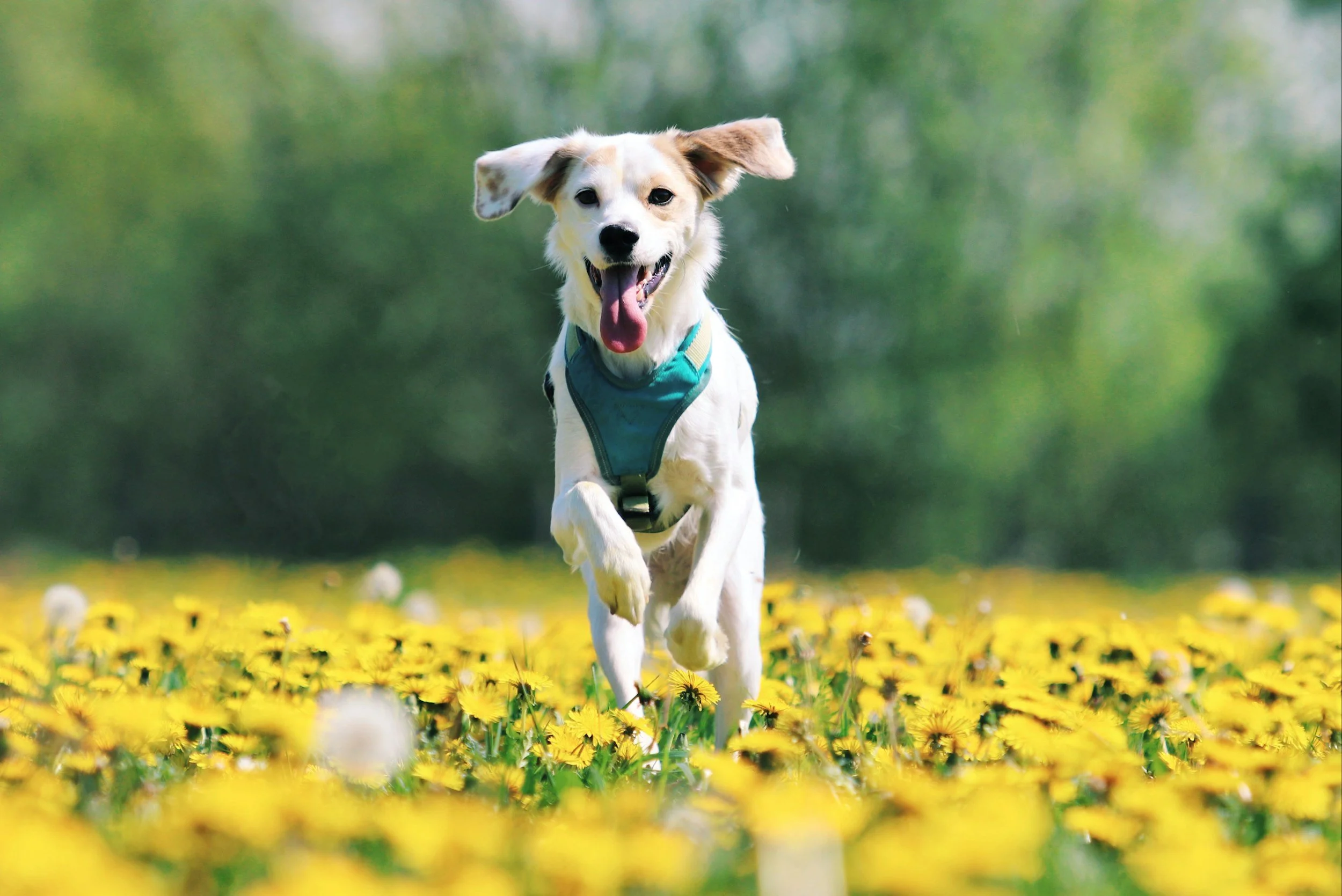
Most dog behavior problems don’t come from “bad dogs”.
They come from confusion, lack of structure, and unclear communication.
We break down why common training mistakes fail—and what actually works.
Dogs don’t come pre‑programmed to understand human expectations. Without clear communication, structure, and consistent guidance, even the most intelligent dogs will develop habits that don’t fit well into everyday life. The good news? These behaviors can be changed—with the right approach.
Common Dog Behavior Problems Owners Struggle With
At DWK9 Trainer, we work with dogs of all breeds, ages, and temperaments, and many owners come to us dealing with the same challenges:
Pulling or lunging during walks
Barking at people, dogs, or noises
Jumping on guests
Ignoring basic commands like “sit” or “come”
Reactivity, anxiety, or lack of focus
These behaviors aren’t signs of a stubborn or “bad” dog. They’re signs of confusion, inconsistent communication, or a lack of structured training.
Why These Behaviors Happen
Dogs learn primarily through clarity and repetition. When guidance is unclear—or changes from day to day—dogs fill in the gaps themselves. Over time, unwanted behaviors become habits.
Some common reasons behavior problems develop include:
Inconsistent communication – Dogs receive mixed signals about what’s expected
Lack of structure – Freedom without rules creates uncertainty, not confidence
Unintentional reinforcement – Owners often reward behaviors without realizing it
Limited real‑world training – Dogs behave well at home but struggle elsewhere
Most dogs aren’t trying to misbehave. They’re simply responding to the environment and training (or lack of training) they’ve been given.
Why “Quick Fixes” and Online Tips Often Don’t Work
It’s tempting to search online or try a quick tip from social media. While some advice may help temporarily, many owners find themselves stuck in a frustrating cycle where progress doesn’t last.
That’s because:
Every dog learns differently
Online advice lacks accountability
There’s no real‑time correction or feedback
One‑size‑fits‑all methods don’t work for behavior issues
Without proper timing, structure, and guidance, even well‑intentioned efforts can slow progress—or make problems worse.
How Professional Dog Training Creates Real Change
Professional dog training isn’t about harsh corrections or shortcuts. It’s about clear communication, consistency, and building reliable behavior in real‑world situations.
At DWK9 Trainer, professional training focuses on:
Teaching dogs how to understand expectations
Replacing unwanted behaviors with appropriate ones
Building confidence and focus
Training owners just as much as dogs
Practicing behaviors where they actually matter—out on walks and in daily life
When dogs understand what’s expected and owners know how to communicate clearly, behavior changes become lasting—not temporary.
What to Do If You’re Struggling Right Now
If you’re dealing with frustrating dog behavior, the worst thing you can do is wait and hope it improves on its own. Behavior patterns tend to become more ingrained over time.
The fastest way forward is to get professional insight tailored to your dog and your lifestyle.
Request a FREE Training Evaluation
If your dog is pulling, barking, ignoring commands, or making everyday life more difficult than it should be, professional guidance can make all the difference.
At DWK9 Trainer, we offer a FREE Training Evaluation to help you:
Understand why your dog behaves the way they do
Learn what’s holding their training back
Get a clear plan for real, lasting improvement
👉 Request your FREE Training Evaluation today and take the first step toward a calmer, better‑behaved dog.